
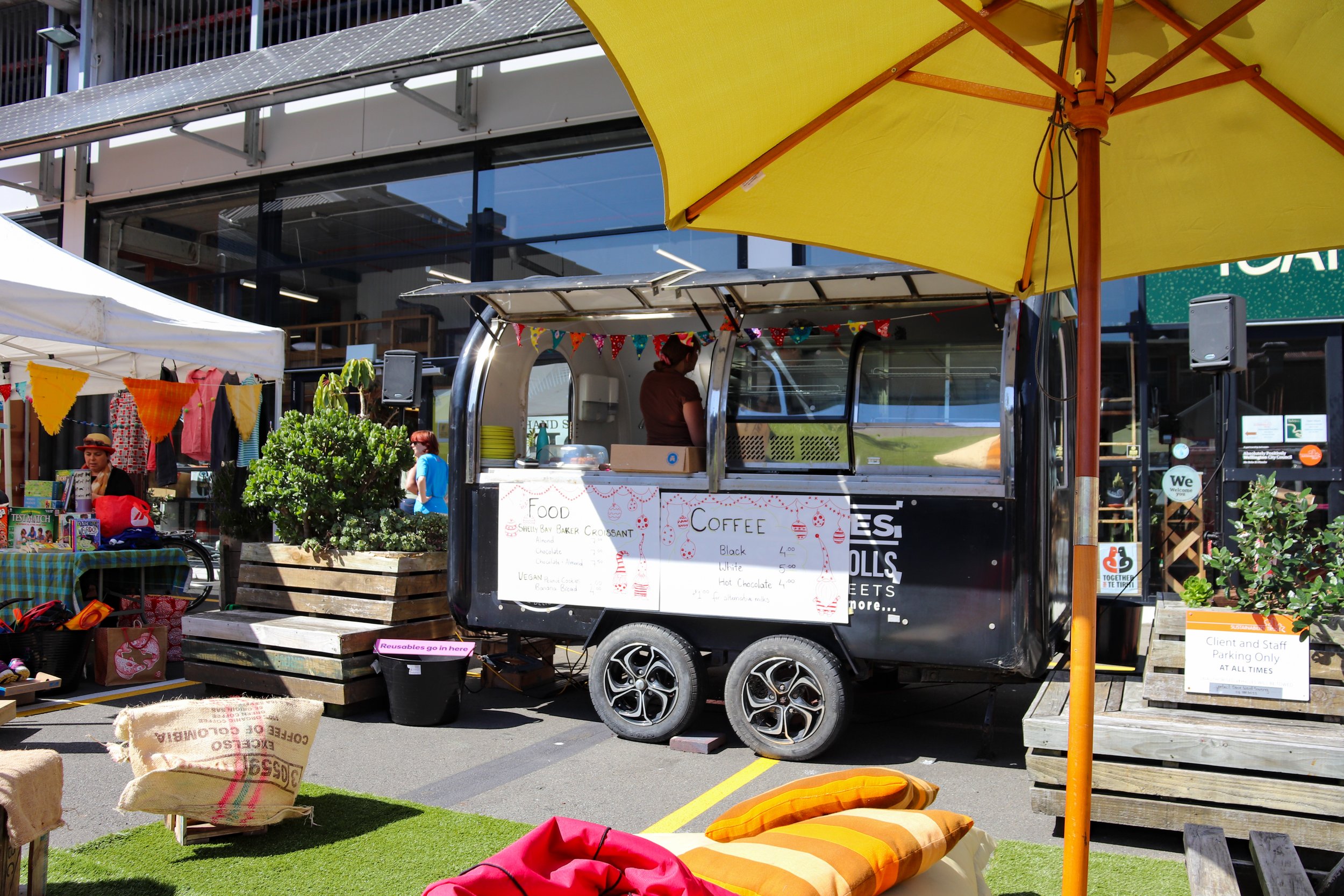
Our Events
We’ve always got something happening—from repair workshops to markets.
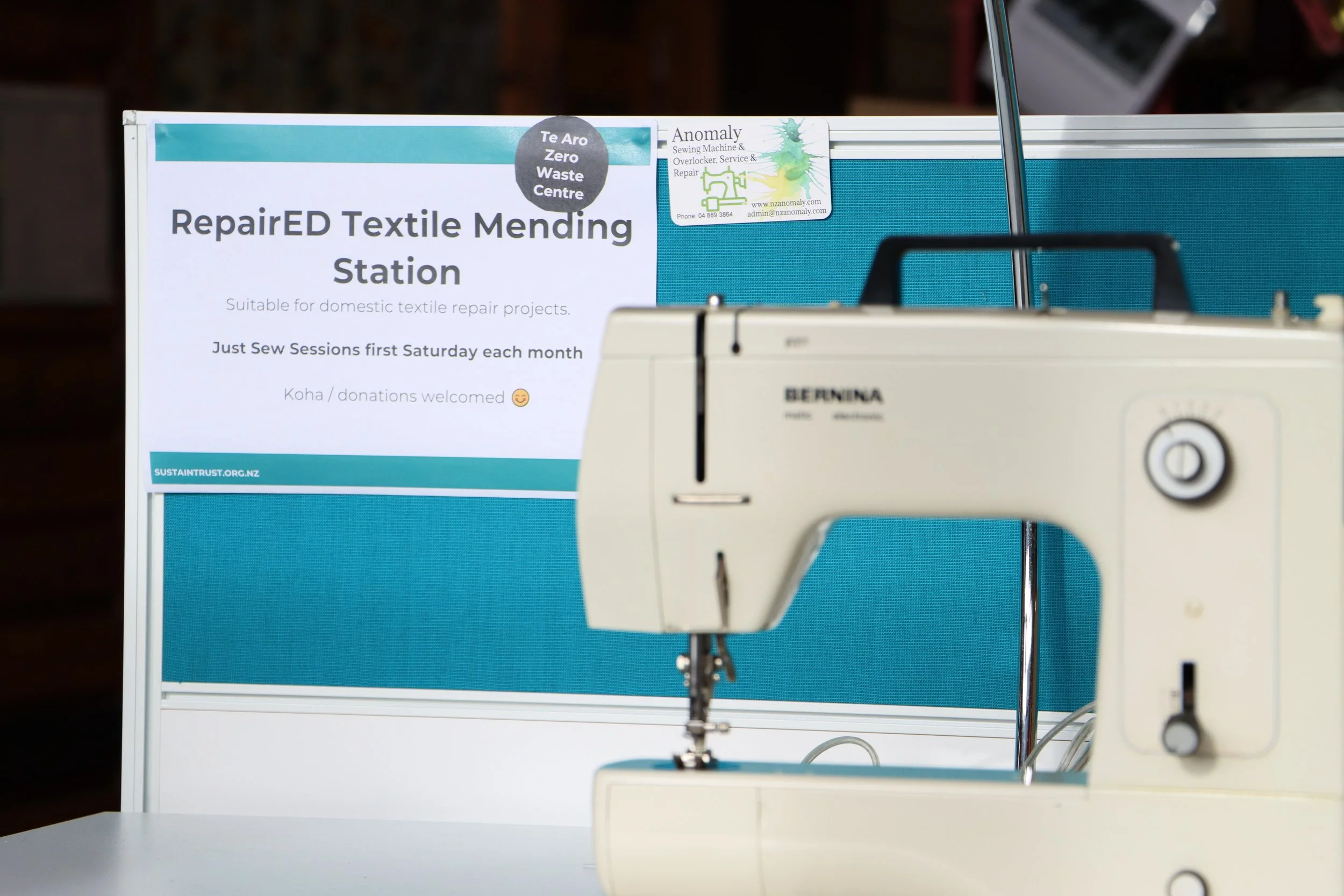
November Just Sew
Join us for our November Just Sew session! Repairing instead of replacing is a great way to take climate action in your own life – and pick up some handy skills whilst you’re at it!
Our skilled volunteers will help you with repairs such as missing buttons, rips, holes, hemming and patching. Confident with a needle? Use our DIY table and sewing machines to tackle your own repairs.
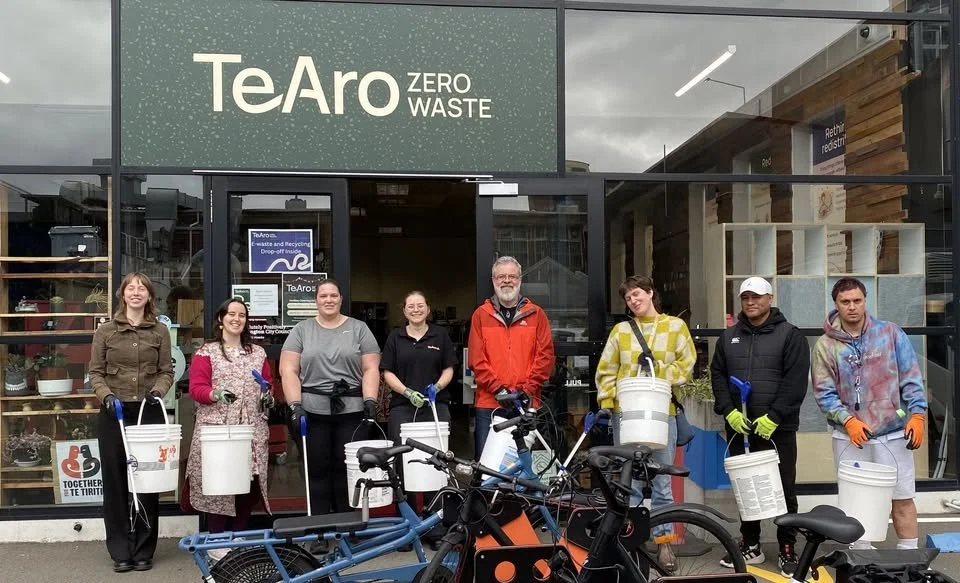
November Community Clean-up
Join us for our monthly community street clean in Wellington!
Let's unite to kick trash to the curb and beautify our streets.

Te Aro Zero Waste Repair Cafe
Come along to our October Repair Cafe!
Book your spot online and bring along one item for repair or maintenance - lightweight household items, small electrical appliances, gardening tools for sharpening, or that general item you've been meaning to have repaired.
Our skilled volunteers will be here to assist you with fixes such as electrical faults, broken clasps, union/wedding ring repair, welding or general fix-up repairs.
October Community Clean-up
Join us for our monthly community street clean in Wellington!
Let's unite to kick trash to the curb and beautify our streets.
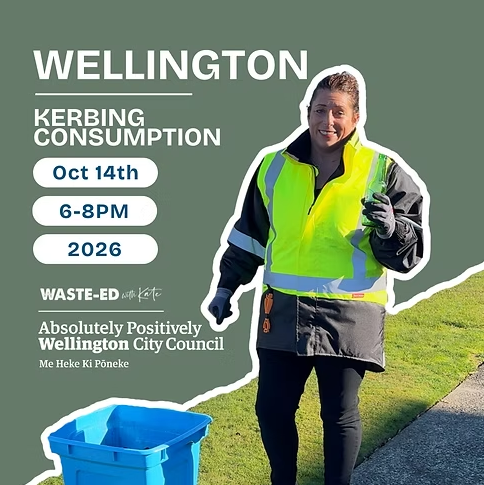
Wellington Kerbing Consumption
♻️ A workshop for conscious Kiwis: Who want real world solutions on how to waste less, and save big.
We’re drowning in stuff — and the planet is sending us the bill.
Globally, we dump 2.12 billion tonnes of waste each year (and climbing to 3.4 billion tonnes by 2050). If food waste were a country, it would be the third-largest climate polluter after the US and China.
Here in Aotearoa, a wild 17.49 million tonnes of waste is generated every year — with nearly 40% of what we send to landfill totally avoidable.
From fast fashion and cleaning products, to food waste and electronics, the story is the same: we’re consuming more than the planet can handle — and definitely more than we actually need. The good news is, we can change, and I’m about to show you how.
Kerbing Consumption is a fresh, actionable workshop filled with real talk, real solutions, and smart swaps that cut waste without cutting joy.
October Just Sew
Join us for our July Just Sew session! Repairing instead of replacing is a great way to take climate action in your own life – and pick up some handy skills whilst you’re at it!
Our skilled volunteers will help you with repairs such as missing buttons, rips, holes, hemming and patching. Confident with a needle? Use our DIY table and sewing machines to tackle your own repairs.
Te Aro Zero Waste Repair Cafe
Come along to our August Repair Cafe!
Book your spot online and bring along one item for repair or maintenance - lightweight household items, small electrical appliances, gardening tools for sharpening, or that general item you've been meaning to have repaired.
Our skilled volunteers will be here to assist you with fixes such as electrical faults, broken clasps, union/wedding ring repair, welding or general fix-up repairs.
September Community Clean-up
Join us for our monthly community street clean in Wellington!
Let's unite to kick trash to the curb and beautify our streets.
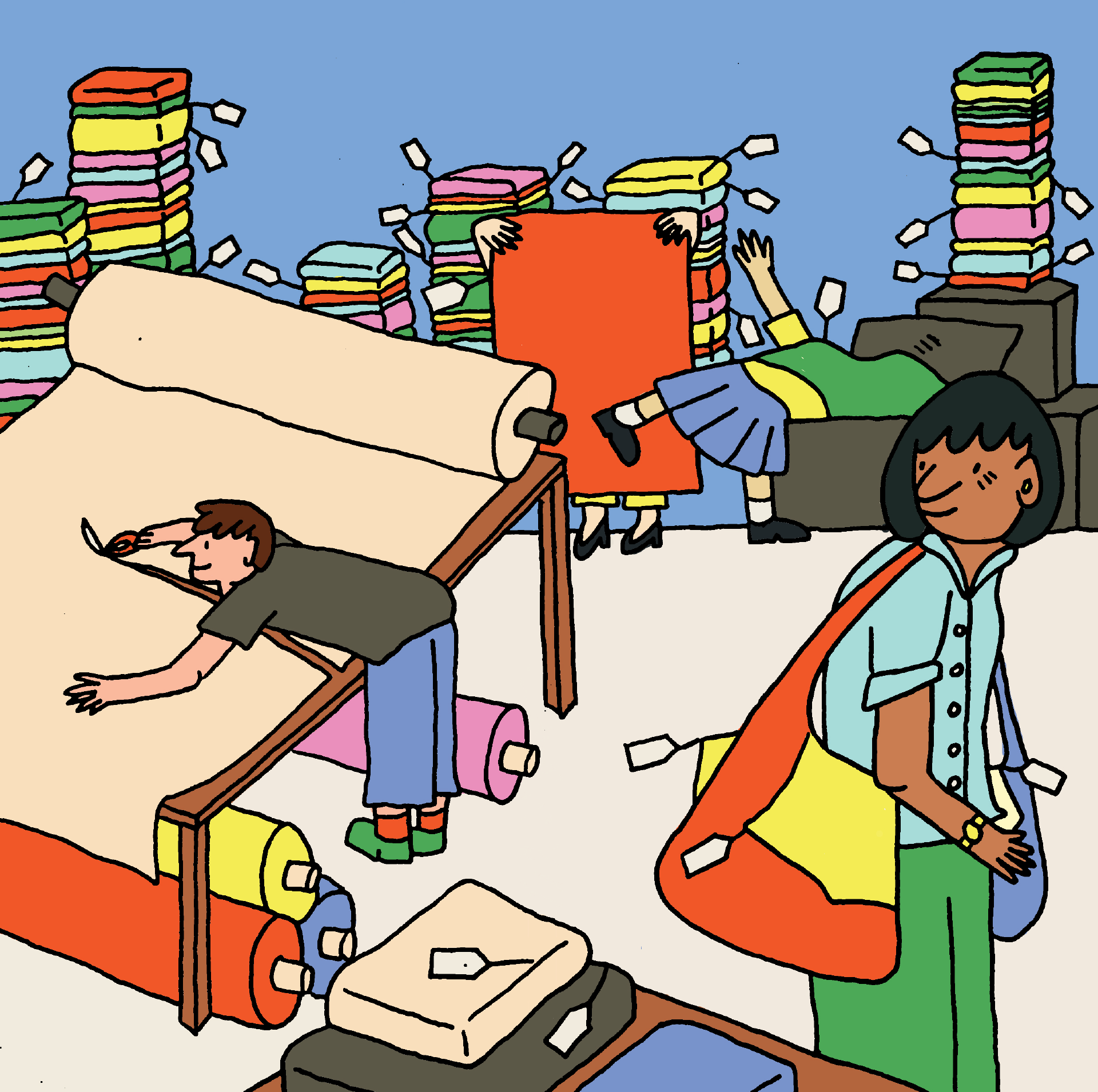
Wellington Curtain Bank Fabric Sale
Come snap up a bargain on fabric and supplies!
All proceeds go to supporting the Wellington Curtain Bank, who provide upcycled curtains to whānau living with low-income.
Save textile waste, find some funky crafting supplies, and contribute to warmer homes for Te Whanganui-a-Tara households.
September Just Sew
Join us for our July Just Sew session! Repairing instead of replacing is a great way to take climate action in your own life – and pick up some handy skills whilst you’re at it!
Our skilled volunteers will help you with repairs such as missing buttons, rips, holes, hemming and patching. Confident with a needle? Use our DIY table and sewing machines to tackle your own repairs.

August Community Clean-up
Join us for our monthly community street clean in Wellington!
Let's unite to kick trash to the curb and beautify our streets.
August Just Sew
Join us for our July Just Sew session! Repairing instead of replacing is a great way to take climate action in your own life – and pick up some handy skills whilst you’re at it!
Our skilled volunteers will help you with repairs such as missing buttons, rips, holes, hemming and patching. Confident with a needle? Use our DIY table and sewing machines to tackle your own repairs.
July Community Clean-up
Join us for our monthly community street clean in Wellington!
Let's unite to kick trash to the curb and beautify our streets.
July Just Sew
Join us for our July Just Sew session! Repairing instead of replacing is a great way to take climate action in your own life – and pick up some handy skills whilst you’re at it!
Our skilled volunteers will help you with repairs such as missing buttons, rips, holes, hemming and patching. Confident with a needle? Use our DIY table and sewing machines to tackle your own repairs.

Tip Shop Truck at Te Aro Zero Waste
No vehicle no worries 😊
The Tip Shop Truck will be at Te Aro Zero Waste at 2 Forrester’s Lane on the fourth Saturday of every month.
The Tip Shop team will be collecting any big, bulky, awkward and other forgotten reusable items.
They’ll be taking furniture, building and gardening materials, books, and bric-a-brac.
Te Aro Zero Waste Repair Cafe
Come along to our June Repair Cafe!
Book your spot online and bring along one item for repair or maintenance - lightweight household items, small electrical appliances, gardening tools for sharpening, or that general item you've been meaning to have repaired.
Our skilled volunteers will be here to assist you with fixes such as electrical faults, broken clasps, union/wedding ring repair, welding or general fix-up repairs.
June Community Clean-up
Join us for our monthly community street clean in Wellington!
Let's unite to kick trash to the curb and beautify our streets.
June Just Sew
Join us for our June Just Sew session! Repairing instead of replacing is a great way to take climate action in your own life – and pick up some handy skills whilst you’re at it!
Our skilled volunteers will help you with repairs such as missing buttons, rips, holes, hemming and patching. Confident with a needle? Use our DIY table and sewing machines to tackle your own repairs.
Tip Shop Truck at Te Aro Zero Waste
No vehicle no worries 😊
The Tip Shop Truck will be at Te Aro Zero Waste at 2 Forrester’s Lane on the fourth Saturday of every month.
The Tip Shop team will be collecting any big, bulky, awkward and other forgotten reusable items.
They’ll be taking furniture, building and gardening materials, books, and bric-a-brac.
May Community Clean-up
Join us for our monthly community street clean in Wellington!
Let's unite to kick trash to the curb and beautify our streets.
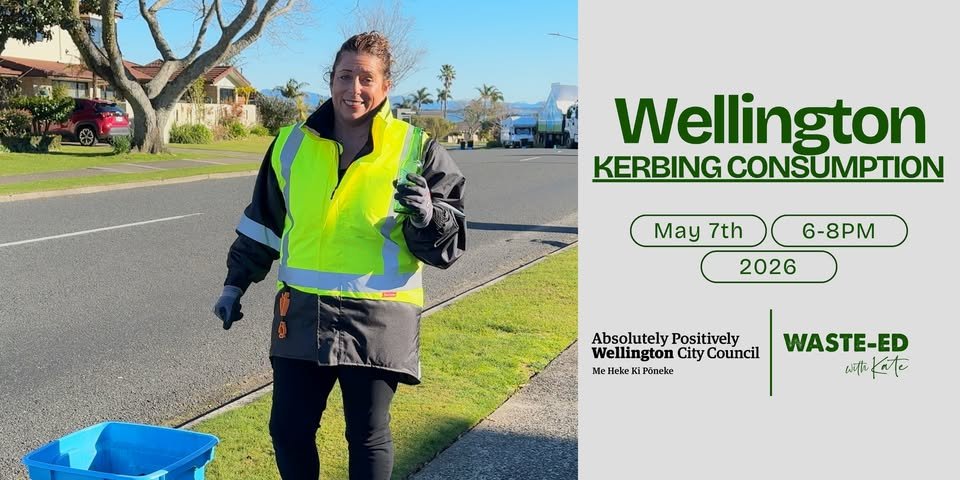
Wellington Kerbing Consumption
♻️ A workshop for conscious Kiwis: Who want real world solutions on how to waste less, and save big.
We’re drowning in stuff — and the planet is sending us the bill.
Globally, we dump 2.12 billion tonnes of waste each year (and climbing to 3.4 billion tonnes by 2050). If food waste were a country, it would be the third-largest climate polluter after the US and China.
Here in Aotearoa, a wild 17.49 million tonnes of waste is generated every year — with nearly 40% of what we send to landfill totally avoidable.
From fast fashion and cleaning products, to food waste and electronics, the story is the same: we’re consuming more than the planet can handle — and definitely more than we actually need. The good news is, we can change, and I’m about to show you how.
Kerbing Consumption is a fresh, actionable workshop filled with real talk, real solutions, and smart swaps that cut waste without cutting joy.
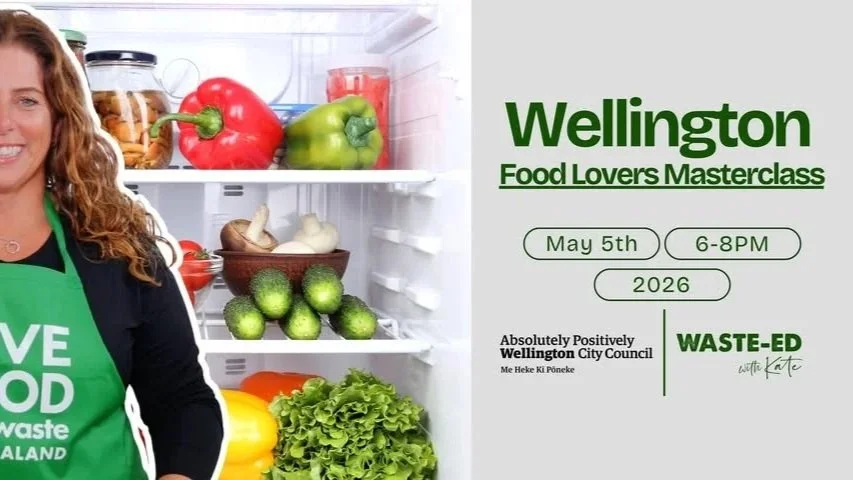
Food Lovers Masterclass
🍴 Are You Tossing Out More Food Than You’d Like? 🍴It’s time to change the way you think about food waste—and we’re here to help! Join our Food Lovers Masterclass and learn how to store food like a pro, decode best-before dates, get creative with leftovers, and discover clever tricks to save money (and maybe even enough to buy a yacht...okay, maybe a canoe).
This fun, interactive session will leave you with life-changing tips that will reduce food waste in your home and level up your kitchen game.
May Just Sew
Join us for our May Just Sew session! Repairing instead of replacing is a great way to take climate action in your own life – and pick up some handy skills whilst you’re at it!
Our skilled volunteers will help you with repairs such as missing buttons, rips, holes, hemming and patching. Confident with a needle? Use our DIY table and sewing machines to tackle your own repairs.
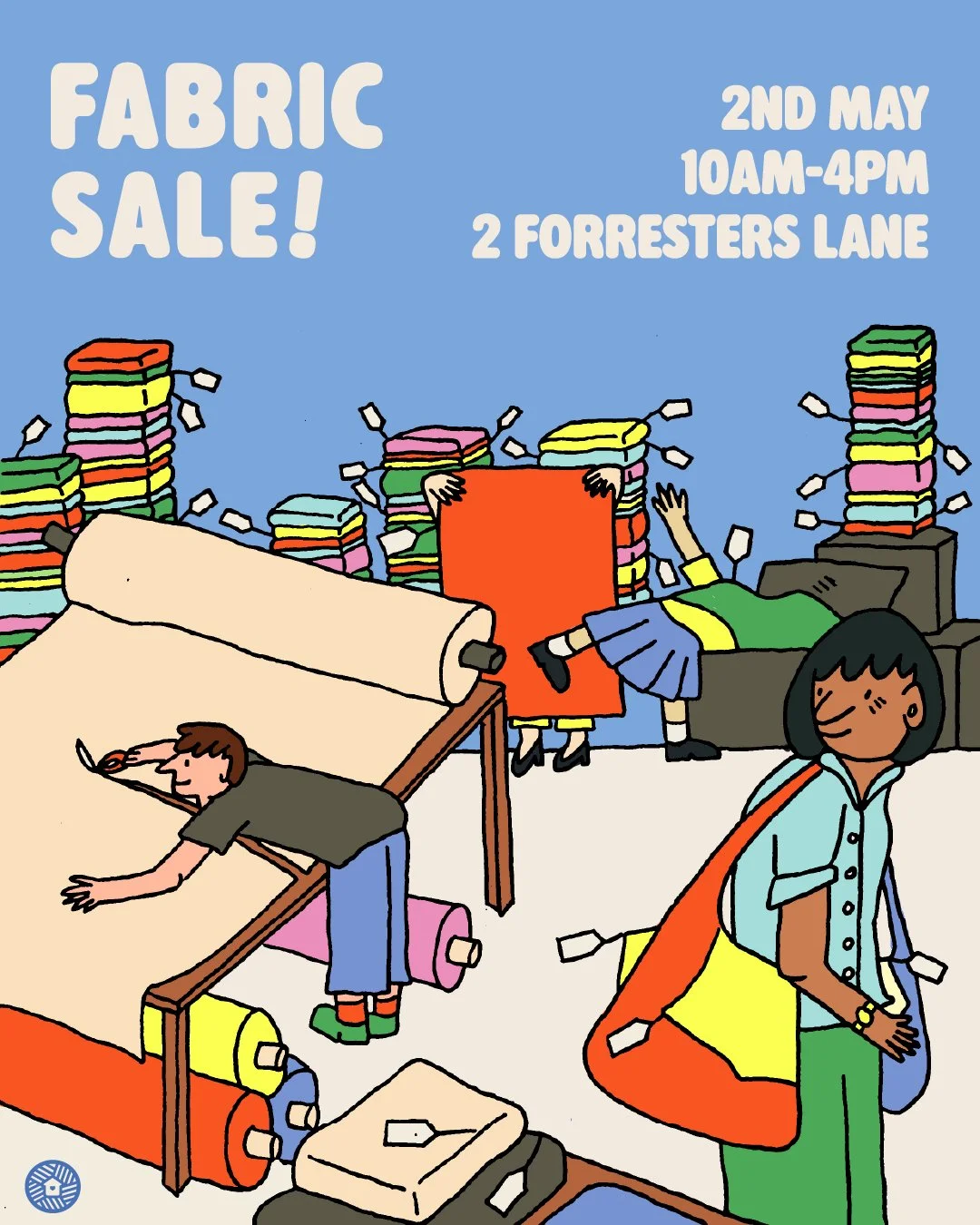
Wellington Curtain Bank Fabric Sale
Calling all makers and stitchers! Join us for our fabric sale.
Snap up a bargain on a wide range of quality textiles, from larger lengths to project-size offcuts. All proceeds support our mahi to provide free curtains for whānau in need.
Te Aro Zero Waste Repair Cafe
Come along to our April Repair Cafe!
Book your spot online and bring along one item for repair or maintenance - lightweight household items, small electrical appliances, gardening tools for sharpening, or that general item you've been meaning to have repaired.
Our skilled volunteers will be here to assist you with fixes such as electrical faults, broken clasps, union/wedding ring repair, welding or general fix-up repairs.
April Community Clean-up
Join us for our monthly community street clean in Wellington!
Let's unite to kick trash to the curb and beautify our streets.
Tip Shop Truck at Te Aro Zero Waste
No vehicle no worries 😊
The Tip Shop Truck will be at Te Aro Zero Waste at 2 Forrester’s Lane on the fourth Saturday of every month.
The Tip Shop team will be collecting any big, bulky, awkward and other forgotten reusable items.
They’ll be taking furniture, building and gardening materials, books, and bric-a-brac.
March Community Clean-up
Join us for our monthly community street clean in Wellington!
Let's unite to kick trash to the curb and beautify our streets.
March Just Sew
Join us for our March Just Sew session! Repairing instead of replacing is a great way to take climate action in your own life – and pick up some handy skills whilst you’re at it!
Our skilled volunteers will help you with repairs such as missing buttons, rips, holes, hemming and patching. Confident with a needle? Use our DIY table and sewing machines to tackle your own repairs.
Tip Shop Truck at Te Aro Zero Waste
No vehicle no worries 😊
The Tip Shop Truck will be at Te Aro Zero Waste at 2 Forrester’s Lane on the fourth Saturday of every month.
The Tip Shop team will be collecting any big, bulky, awkward and other forgotten reusable items.
They’ll be taking furniture, building and gardening materials, books, and bric-a-brac.
February Community Clean-up
Join us for our monthly community street clean in Wellington!
Let's unite to kick trash to the curb and beautify our streets.

The Eco Fashion Runway Show
The Eco Fashion Runway Show
This Valentine’s Day as part of the Fringe Festival, Ultraupcycled, in collaboration with Te Aro Zero Waste, presents a glamorous Eco Fashion Runway Show featuring sustainable designers Recidivist Clothing, Zaria Pocion, and Ultraupcycled. The evening will be hosted by MC QUEEN Olivia III, with music by DJ Panda and visuals by VJ Raskal.
Light refreshments available.

Just Sew and Furoshiki Gift Wrapping
Join us for our final Just Sew of the year! Book online and bring along an item of clothing for repair. Our skilled volunteers will be here to assist with repairs such as holes, tears, hems, and missing buttons.
PLUS: To celebrate the holiday season we are offering a Furoshiki Gift Wrapping Station! Learn how to wrap your gifts the sustainable way, using beautiful fabrics repurposed from our Curtain Bank