
Hot water heat pumps
Smart, modern hot water for your home.
As Wellington’s trusted heat pump installers, we now supply and install hot water heat pumps for your home.
Instead of generating heat with an element like an electric hot water cylinder, a hot water heat pump—also known as a heat pump water heater—pulls heat from the surrounding air and transfers it into a cylinder.

Benefits
• Lower emissions
• Low running costs
• Energy efficient
0
%
0
x
0
x
power savings with a hot water heat pump
less CO2 emissions than electric hot water cylinders
less CO2 emissions than gas hot water systems
Estimates provided by EECA
How they work
Hot water accounts for around 30% of your power bill
A modern heat pump water heater system works by moving heat rather than creating it, which is why it’s so energy efficient. When installed as your hot water heater setup, these systems can provide a dependable and cost-effective solution for everyday hot water needs.
Like a traditional heat pump, it's super efficient, clever and designed to do more with less energy:
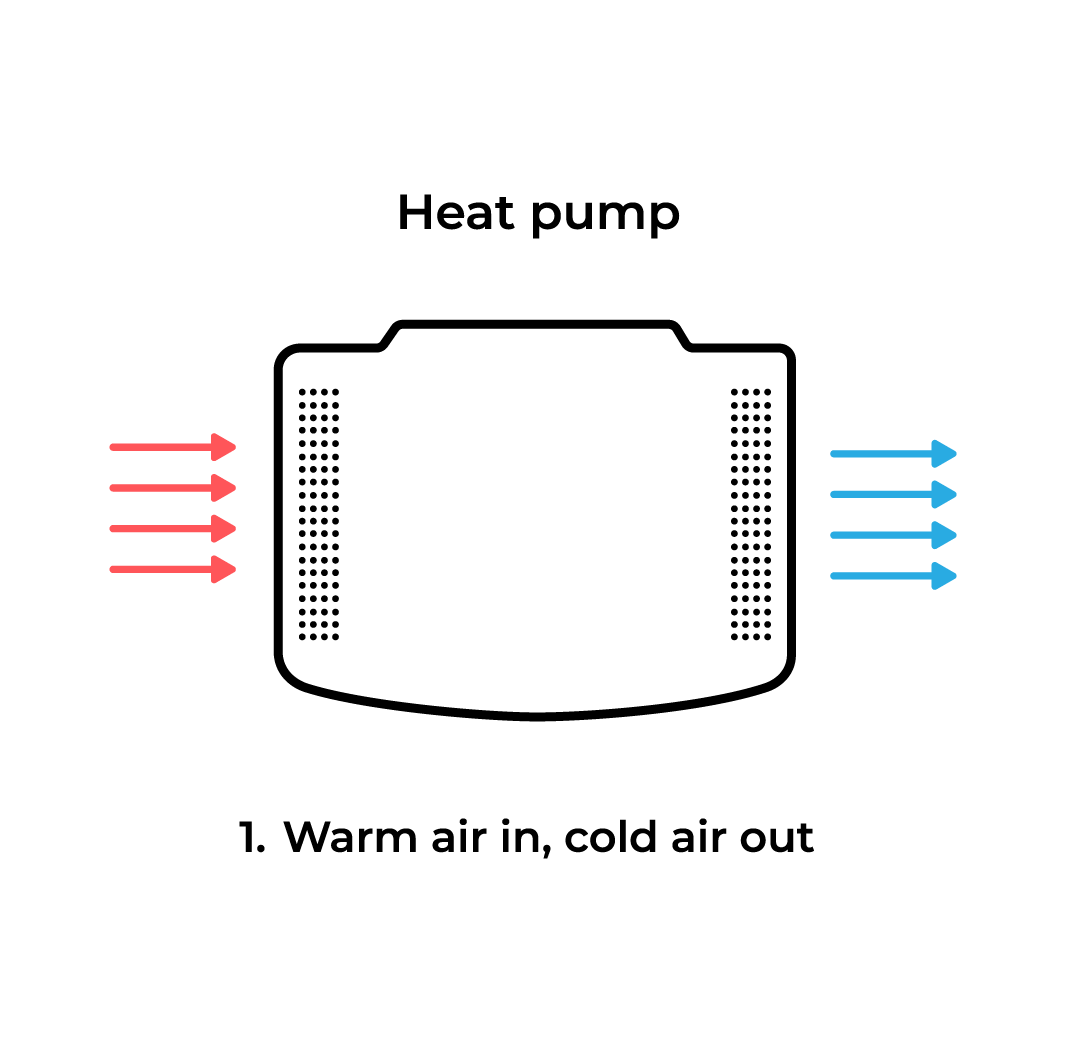

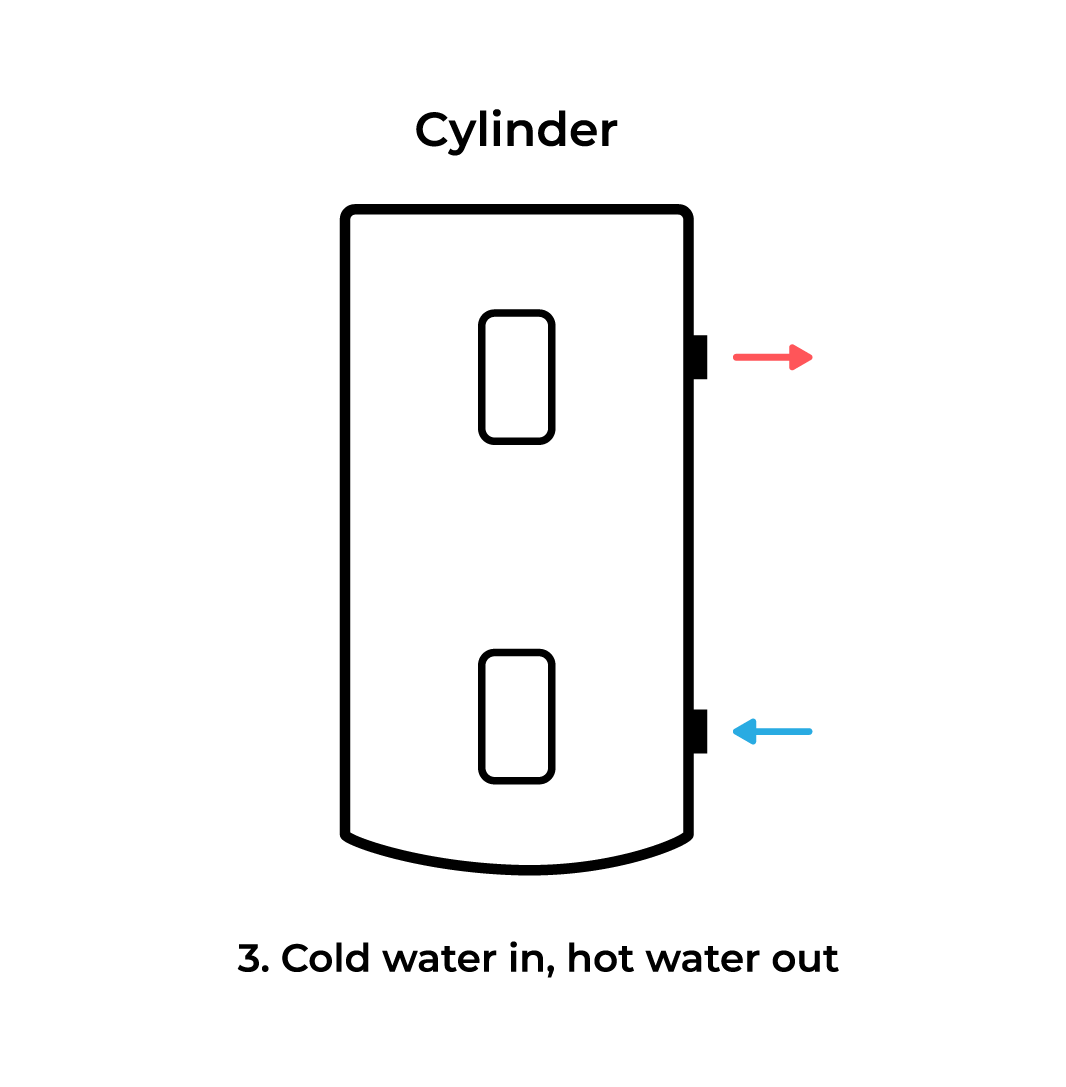
1. Absorbs heat from the air
The heat pump fan draws in air. Refrigerant fluid absorbs heat from that air and evaporates—even when it feels cold outside.
2. Raises the temperature
A compressor pressurises the refrigerant, raising its temperature.
3. Transfers it to your water cylinder
The hot refrigerant passes through a heat exchanger, transferring heat into your water tank. The refrigerant cools and the cycle repeats continuously.
Get a free quote
Ready for smarter hot water?
Our home energy experts will visit, assess your setup, and recommend the right system.
• Free assessment and quote
• Qualified home assessors
• Personalised, honest advice
• Full supply and install
As a not-for-profit, every purchase you make helps fund our community programmes and our work supporting warmer, healthier, more energy-efficient homes.
We’re part of the Community Energy Network (CEN), a group of organisations dedicated to delivering effective energy-efficient solutions for warmer homes, job creation and healthier communities.
To effectively manage our service offerings, we sometimes work with like-minded organisations who meet our standards for quality and sustainable practices. We will always inform you in advance if external parties are attending.
Models we install
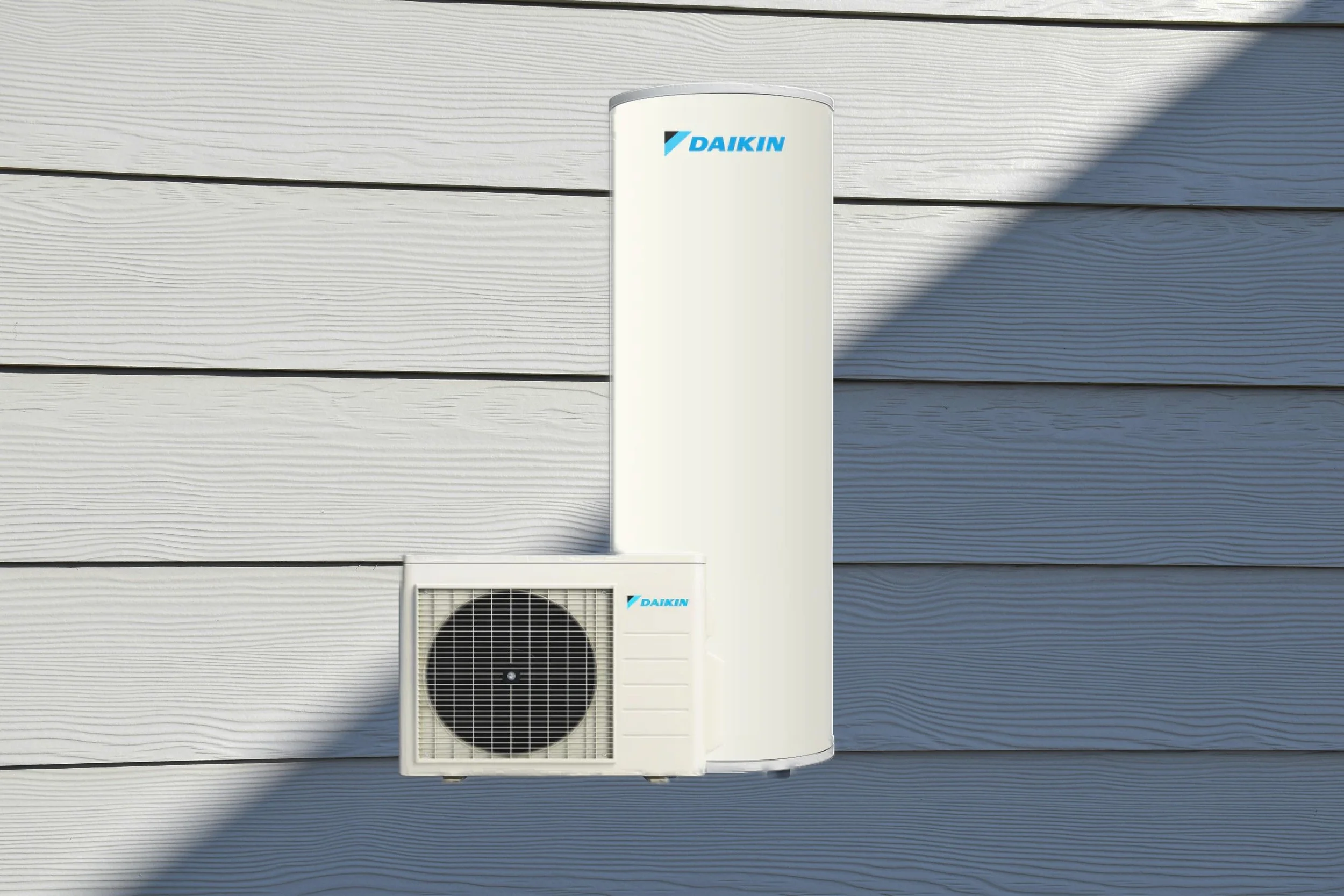
We supply and install Daikin and Rinnai water heaters.
Daikin’s CO2 Hot Water Heat Pump uses an eco-friendly refrigerant with an extremely low Global Warming Potential (GWP).
We also supply and install Rinnai’s Hydraheat model, which is built specifically to handle New Zealand conditions and also operates sustainably, with a low GWP.
Safe and non-toxic, these can reduce your household’s carbon footprint while delivering strong, reliable performance that’s ready for the future.
Rinnai
HydraHeat®
Designed and built in New Zealand for Kiwi climates and coastal conditions.
COP (Efficiency)
4.7
Noise level
45 dB (A)
Tank sizes
275L · 340L
Refrigerant
R290 (GWP 3)
Operates to
-10°C
Daikin
CO₂ Heat Pump
Super efficient, ultra-quiet operation and future-proof sustainability.
6.15
COP (Efficiency)
Noise level
38 dB (A)
Tank sizes
250L · 315L
Refrigerant
R744 (GWP 1)
Operates to
-10°C
Why make the switch?
Why make the switch?

More efficient
COP ratings of 4.7–6.15 mean you get 4–6 units of heat for every 1 unit of electricity used vs 1-for-1 with a standard element.

Works in all NZ climates
Both systems operate efficiently down to -10°C; no drop-off in Wellington winters.

Reduced energy bills
Hot water makes up 30–40% of your power bill. A hot water heat pump typically cuts that cost by 60–75%.

Minimal maintenance
Minimal maintenance compared to traditional water heaters. Long warranties give you genuine peace of mind.

Lower emissions
Both systems we supply use refrigerants with low GWP, making them one of the most sustainable hot water options.

Smart control
Wi-Fi scheduling, energy monitoring, vacation mode, and auto-adaptive logic.
Frequently asked questions
-
Even taking into account a higher up-front cost than some other options on the market, hot water heat pumps are the cheapest option over time.
At the Wellington average electricity price of 36 cents/kWh (February 2026, MBIE), the average running cost per year for a family of four is $480 (EECA). This makes heat pump water heaters about 3.5x cheaper to run than standard electric cylinders.
Comparing savings over time, a hot water heat pump more than pays for itself over a 10-year period.
-
Global Warming Potential (GWP) measures how much heat a greenhouse gas traps in the atmosphere over a specific timeframe (usually 100 years) relative to carbon dioxide (CO2), which has a GWP of 1.
The hot water heat pumps we supply and install were chosen for efficiency and sustainability. The Daikin model uses CO₂ and the Rinnai HydraHeat uses R290—both are excellent choices environmentally. CO₂ has a GWP of 1 and R290 (propane) has a GWP of 3. Compare that to R32 (GWP 675) or R134a (GWP 1,430) used in many other systems.
-
If you're replacing an existing gas-powered or electric cylinder and want a clean, cost-effective swap, the Rinnai integrated unit is often the simplest choice. If you have a larger household, want maximum efficiency, or prioritise very quiet operation, the Daikin split-system may suit better. There are a number of other factors to consider though: our assessors can advise on what’s best for your needs.
-
Not typically. It’s simply a conversion/connection kit to take the existing feeds and redistribute them to the new setup.
If you’re changing from low to mains pressure, this can make existing weaknesses in the system apparent.
-
This is dependent on the current source location and new cylinder supply location. If you’re installing a tank outside and removing a centrally located internal cylinder, you may notice some lag.
-
We've been making Wellington homes more energy efficient for over 20 years. Our qualified home performance assessors are experts at helping you get your home warmer, drier and more energy efficient. As a not-for-profit, all of our profits go towards funding our community programmes.