
Healthy homes, sustainability + other things we like
Sort by topic
- Case Study
- Changes to housing policy
- Christmas
- Compost / Food Waste
- DIY
- Electric Vehicles
- Expert Advice
- Gardening
- Greenwashing
- Heating & Heat Pumps
- Insulation
- Lighting
- Partnerships
- Real stories
- Recycling / Waste / Zero Waste
- Submission / Advocacy
- Ventilation
- Volunteer
- Webinar
- Wellington Curtain Bank
- climate action
- electrification
- getting off gas
- green loans
- hot water heat pumps

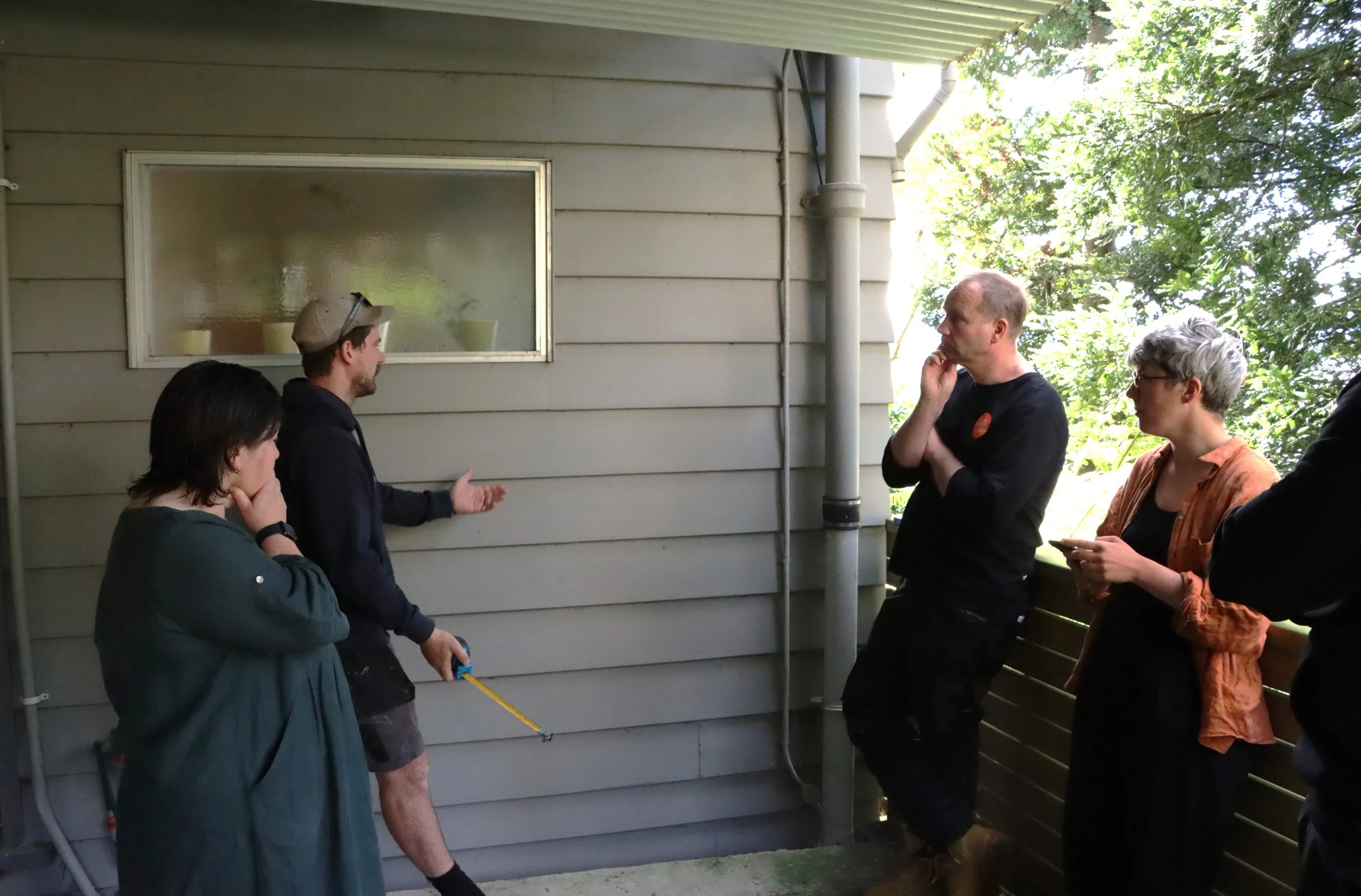
Home Electrification and Getting Off Gas
If you're a homeowner wondering when to retire gas appliances, what to switch to, whether to do it all at once or one at a time, how to fund it, and whether it's even worth it—you're not alone.
At Sustainability Trust, we've been operating in the home efficiency space for 23 years. Last financial year alone, we visited more than 7,500 homes in the Wellington region. Through this work, we constantly hear questions about electrification and know that many homeowners don't know where to start.

Seven Tips For a More Sustainable Black Friday
With Black Friday, Cyber Monday, Christmas and Boxing Day on our horizon, we've compiled our top tips for staying conscious, mindful and sustainable while consuming.

Get a subsidised heat pump for your home with Warmer Kiwi Homes
As a partner of the Warmer Kiwi Homes programme, we can help you save up to $3,450 on a heat pump. Check out this post to see if you are eligible.

Electric Vehicles and Charging Stations
Batteries, hybrids, emissions, charging, parking- there’s lots to consider when thinking about buying or using an electric vehicle (EV). Here we answer some frequently asked questions to demystify some common concerns.

Green Home Loans
Did you know if you’ve got a mortgage with one of the major banks in New Zealand - chances are you can access a low or no interest loan to make sustainable improvements to your home? Read our latest blog, written by our very own CE to learn more about which banks have started offering low or no-interest loans to encourage the uptake of sustainable home improvements.

Insulation grants - are you eligible?
Did you know that there are thousands of properties around the Wellington region that are eligible for government-funded insulation grants, simply because of the address? In this blog post, we will help you check if you are eligible to get your home insulated for just a few hundred dollars.

10 Easy & Energy-Efficient Ways to Keep Your Home Warm This Winter Here in Beautiful Pōneke (Wellington)
Wellington winters are no joke. Between the icy southerlies, sideways rain, and grey skies that seem to settle in for weeks, it's easy to feel like you’re living in a walk-in fridge. And with power prices climbing faster than a cable car, it’s tempting to just pile on the socks and hope for spring. But what if you could stay warm and keep your energy bills in check?
Here are 10 easy, practical, and energy-efficient ways to keep your home (and your body) warm and toasty this winter—without cranking up the costs.

Innovative design for reusable serviceware collection
FillGood provides resuable serviceware solutions. The reusable serviceware replace disposables at events, venues, and in hospitality, providing a smart, cost-effective solution for serving food and drinks. When FillGood couldn’t find a market solution for liquid collection, they reached out to Industrial Designer Darcy Snell, and Garage Project Sustainability Champion, Steve Almond for help to develop a prototype design.

Circular Creativity and Design Innovation
The creative industries have a significant role to play in finding zero-waste solutions and have the power to shape cultural values and attitudes. We love supporting and collaborating with students and artists who are exploring creative ways to use materials.

COP28: a weak cop-out, signaling our global leaders are failing us
Fossil fuels must be phased out now. COP28 was touted as groundbreaking but was dominated by fossil fuel lobbyists and only saw a weak commitment to transition away from fossil fuels.

Travelling Fresh...by Bike
Rediscovering the joys of biking with a 6-year-old! Hear from another staff member who shares her story of her families’ move away from the private vehicle school run.

Travelling Fresh
Globally, transport is responsible for a big chunk of our overall greenhouse gas emissions and much of this is from the engines of road vehicles. So, what can we do?

Phosphorus: Essential to Life but Widely Wasted
We import it, use it, eat it, and release it into the sea. No recycling, no recovery. If a circular economy is the goal, this is a straight line. Read Brayden's blog on the issue of phosphorous which is rarely discussed.

Community, Gardens and Kai - The Welly Urban Food Org.
With the end of June been and gone, our funding to run the Welly Urban Food Org. has come to an end. But, our involvement doesn't end here. We'll still be active advocates and supporters of urban agriculture in our city, it just changes slightly…

Energy Hardship is a Thing, MBIE Report Shows. (Yes, we already knew that).
Do you live in a house with significant mould or dampness? You’re not alone (sadly). A recent report from MBIE has found that as many as 110,000 households can’t afford to adequately heat their homes. Our CEO Georgie Ferrari dives into the report and tells you what Sustainability Trust is doing to turn this terrible statistic around.

Getting Ready for National Volunteer Week…
The Curtain Bank could not run without the support, mahi and encouragement of the volunteers who come into the workroom every week. It seems nothing can adequately express just how lucky we are to have such a great team, and that without them, Juliet and Amanda would end up buried beneath a three-ton pile of donated curtains! Or is there?

DIY Make a pallet planter for small spaces
DIY pallet planter boxes are all the rage. If you have some pallets lying around on your property, turn them into Pallet Planters, make use of them and add a unique look to your yard or garden. Follow this guide and make your very own.

The Benefits of Heat Pumps
The results of the most comprehensive study of heat pump use in New Zealand, or elsewhere in the world has recently been released. It evaluated the benefits, costs, and changes in behaviour in households who had a heat pump installed in the government’s Warmer Kiwi Homes (WKH) low-income heating and insulation installation subsidy programme.

Sustainability Trust EcoShop - celebrating the legacy
Our EcoShop may have sold its last shampoo bar, but it leaves a legacy to be celebrated. Here we spotlight some of our favourite suppliers and where you can continue to get their products from awesome spots in Wellington.