
LED Lights: A Smarter Way to Upgrade Your Home Lighting
If your home still has older halogen downlights, incandescent light bulbs, or uneven lighting from room to room, upgrading to modern LED lights is one of the simplest ways to make your home warmer, safer, and cheaper to run.
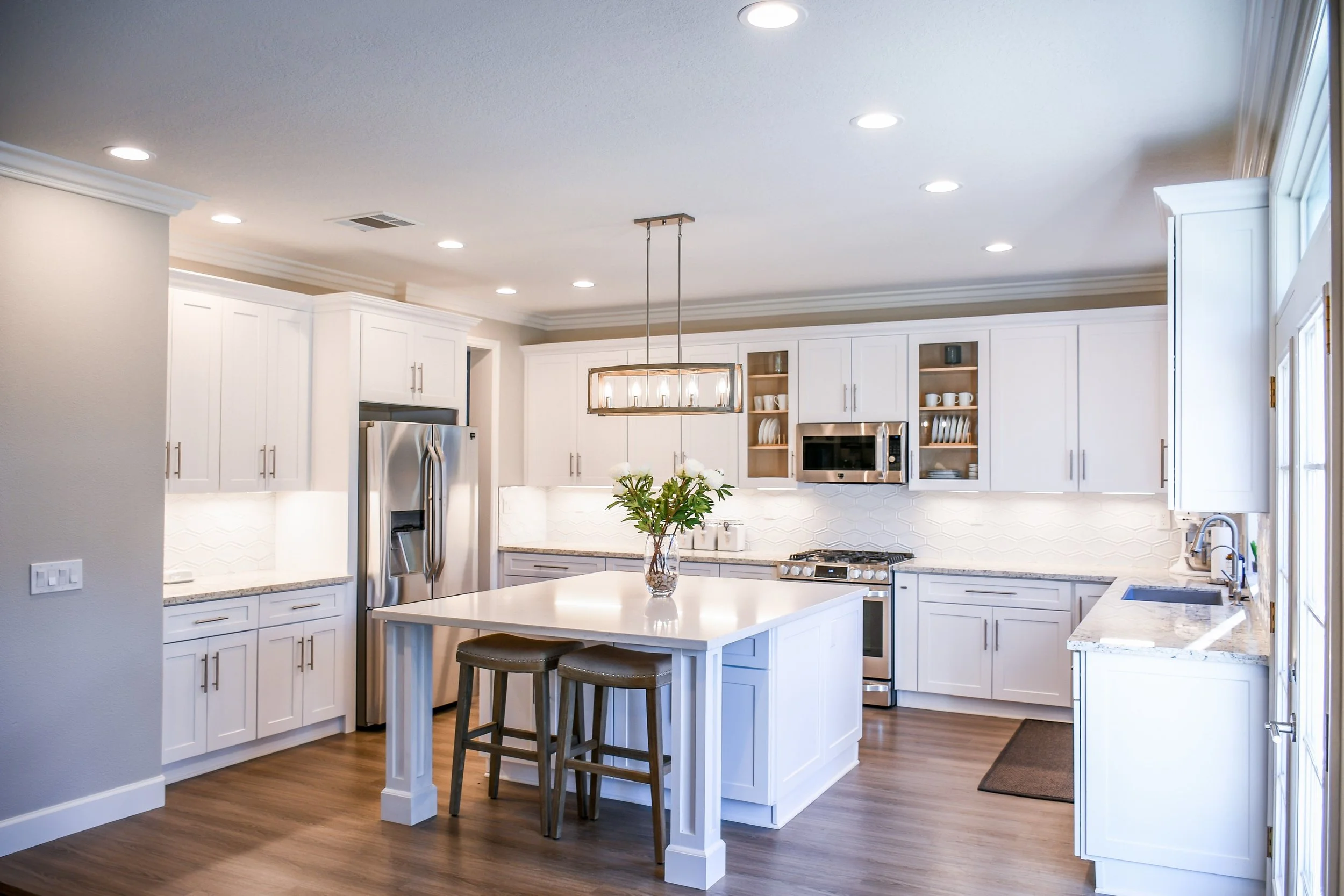
Our team supplies and installs LED lights across Wellington homes, helping you choose the right fittings, colour temperature, brightness, and beam angle for each space. The right lighting can change how your home looks, feels, and performs. Better still, modern IC, IC-F, and IC-4 rated LED downlights can be safely covered with ceiling insulation, helping reduce heat loss through older downlight gaps.
Why Choose LED Lights?
LED lights use far less electricity than traditional incandescent or halogen light bulbs while delivering the same, or better, brightness. A typical halogen downlight may use around 50 watts, while an equivalent LED downlight often uses only a fraction of that power—about 5–10W for a similar level of brightness. Across a whole house, changing downlights to LED can reduce lighting costs noticeably over time. At the May 2026 Wellington City average electricity rate (37c/kWh), switching could save you approximately $250 a year.
LED light bulbs also last much longer than older bulbs, meaning fewer replacements, less maintenance, and fewer trips up the ladder. For busy households, rental properties, and anyone wanting a low-maintenance upgrade, LED light bulbs NZ homeowners can rely on are a practical long-term choice.
What is a Watt?
A watt is a unit used to measure electrical power. Wattage measures the rate that electricity is transferred or used; it can be calculated by multiplying voltage by current.
When an electrical appliance is running, the power it’s using depends on the device and model; it could be a lot or a little. The number of watts tells you exactly how much. The higher the wattage, the more power that device needs to operate.
For example:
A 9-watt LED light is a low wattage bulb
A 100-watt light bulb was commonly used in older houses
An electric car might use 200,000 watts to accelerate
So, when we say a light bulb “uses 5 watts,” what we’re really saying is that it needs 5 units of power every second while it’s running.
When you’re comparing light bulbs, you can use watts to work out how much power your bulb will be pulling at any given time. A smaller wattage will use less energy, saving you money.
LED Downlights vs Halogen Downlights
Older halogen downlights can be expensive to run and produce a lot of heat. A whole-home halogen setup can pull around 500W. With typical use, you’ll use around 913 kWh per year. Switching to LED with a whole-home draw of ~120W may cut lighting energy use by around 80%, to 219kWh per year.
In homes with halogen downlights, insulation has to be kept clear of each light fitting to reduce fire risk. That clearance creates gaps in the ceiling insulation, allowing warm air to escape into the roof space and making rooms harder, and more expensive, to heat.
Some of the modern LED downlights NZ homeowners install today are designed to be safer, more efficient, and more comfortable. Many quality fittings are IC, IC-F, or IC-4 rated, meaning suitable insulation can be installed close to, or over, the fitting depending on the product rating and installation instructions. This helps reduce draughts, improve ceiling insulation performance, and keep heat where it belongs: inside your home.
Choosing the Right Downlights NZ Homes Need
Not all ceiling downlights are the same. The best option depends on the room, ceiling type, existing cutout, insulation, and the kind of light you want. A kitchen may need brighter task lighting, a bathroom may need a higher IP rating, while a lounge or bedroom may feel better with warmer, softer, dimmable light.
When we assess your home, we look at the existing light bulb type, fitting size, ceiling access, insulation condition, and the number of lights needed for balanced coverage. This helps us recommend the perfect option for your home, with the right balance of comfort, efficiency, and appearance.
What Is the Process for Installing LED Lights?
Installing LED lights starts with a home assessment. We check your current fittings, ceiling layout, switch setup, insulation, and any existing issues.
Once the right fittings are selected, a licensed electrician carries out the installation. Downlight installation involves fixed electrical wiring, so it must be done safely and in line with New Zealand electrical requirements. The electrician will isolate power, prepare the ceiling openings, connect the fittings correctly, secure each downlight, and test everything before the job is complete. Our professional installation gives you confidence that your LED downlights are fitted safely and correctly.
Benefits of Changing Downlights to LED
Lower energy use compared with older halogen downlights and incandescent light bulbs – save on your power bill.
Longer lasting – reducing maintenance and replacement costs.
Less heat in the ceiling cavity, helping reduce fire-risk concerns linked with older fittings.
Improved insulation performance.
More choices for brightness, beam angle, colour temperature, and dimming options.
How to Choose LED Lights for Each Room
The right LED lights depend on how each room is used. Warm white lighting works well in lounges, bedrooms, and dining areas where comfort matters. Cooler or brighter lighting can suit bathrooms, laundries, garages, and kitchens – where clarity is important. Beam angle also matters: wider beams create general room lighting, while narrower beams provide more focused light.
If you are unsure which LED light bulbs, downlight fittings, or tilt downlights are right for your home, our team can advise you during your free assessment. We supply and install LED lights that suit your room layout, ceiling type, and preferred look.
Book an LED Lighting Assessment
Whether you are upgrading a room of ceiling downlights, or changing downlights to LED throughout your home, we can help you get it right. Our trained assessors and licensed electricians provide advice, supply quality fittings, and complete the installation safely. Our insulation installation team can also top up your ceiling insulation, closing any gaps for a warmer, easier to heat home.
LED Lights Frequently Asked Questions
-
Yes. LED lights use significantly less electricity than older halogen downlights and incandescent light bulbs. Changing downlights to LED can reduce power use by up to 90% while still giving your home bright, comfortable light.
-
Certain LED downlights are snug to the ceiling and safe to insulate over, as they do not produce enough heat to be considered a fire risk. This means your ceiling insulation can be gap-free and do a better job.
-
Yes. Hard-wired LED downlights involve fixed electrical work, so installation should be carried out by a licensed electrician in New Zealand. This helps ensure your recessed downlights are safe, compliant, and correctly tested.
-
Warm white LED lights are usually best for bedrooms, lounges, and dining areas because they create a softer, more comfortable feel. Brighter or cooler LED light bulbs can work better in kitchens, bathrooms, laundries, and garages.
-
The best LED downlights NZ homes need depend on the room size, ceiling type, existing cutout, insulation, beam angle, brightness, and preferred colour temperature. A home lighting assessment can help match the right LED lights to each space.
Fill in the form below and our friendly team will be in touch to discuss LED downlights NZ homeowners can trust for better comfort, lower running costs, and a cleaner modern finish.
Ready to Make the Switch?
Get a free quote from our awesome LED lighting installation team by clicking the button below.