

Sustainability advice
Sort by topic
- Case Study
- Changes to housing policy
- Christmas
- Compost / Food Waste
- DIY
- Electric Vehicles
- Expert Advice
- Gardening
- Greenwashing
- Heating & Heat Pumps
- Insulation
- Lighting
- Partnerships
- Real stories
- Recycling / Waste / Zero Waste
- Submission / Advocacy
- Ventilation
- Volunteer
- Webinar
- Wellington Curtain Bank
- climate action
- electrification
- getting off gas
- green loans
- hot water heat pumps

LED Lights: A Smarter Way to Upgrade Your Home Lighting
If your home still has older halogen downlights, incandescent light bulbs, or uneven lighting from room to room, upgrading to modern LED lights is one of the simplest ways to make your home warmer, safer, and cheaper to run.
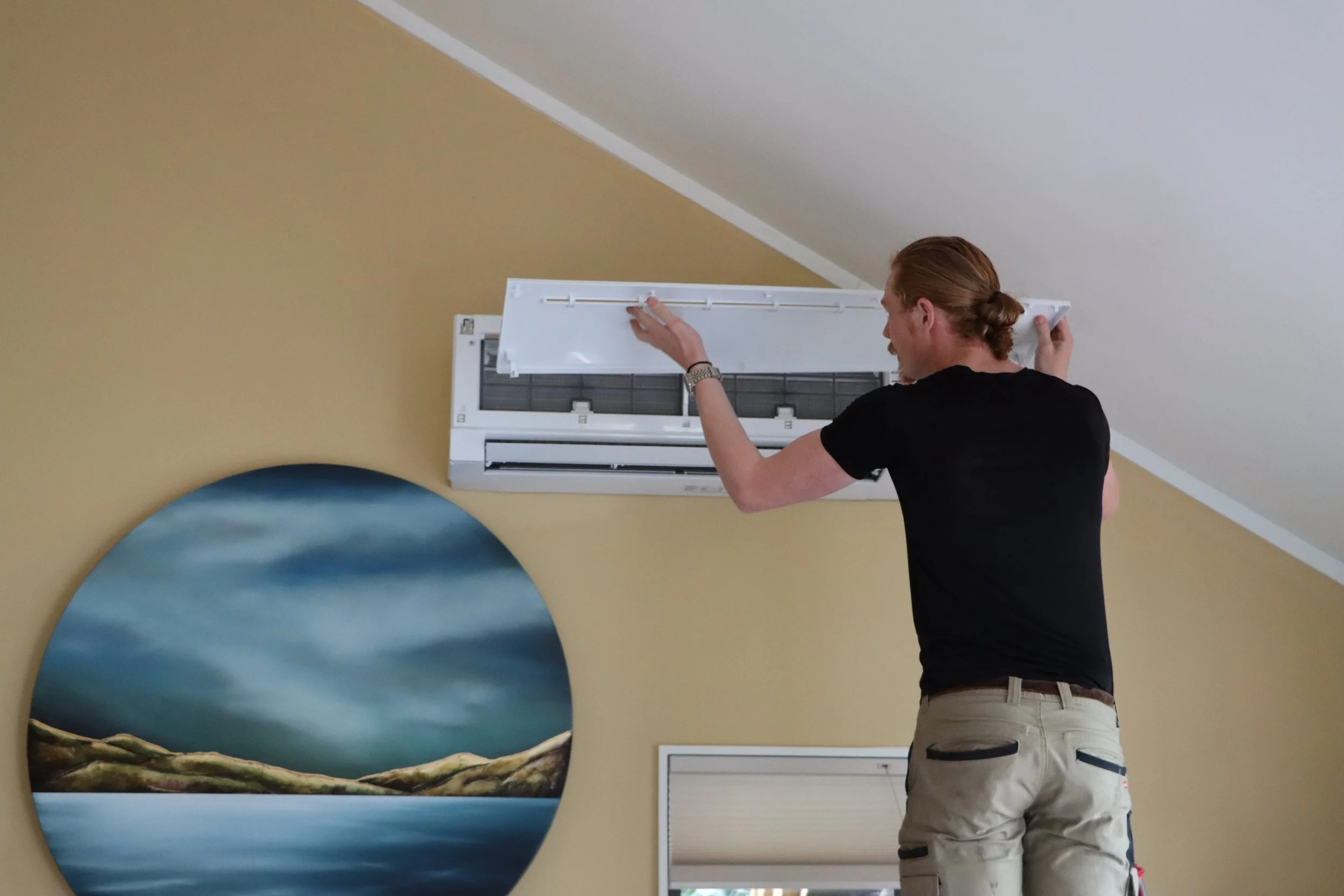
Heat Pumps are the Cheapest Heating Option
We’ve heard from plenty of people who are trying to save money by putting on another jersey, snuggling under a heated blanket or cuddling a hot water bottle instead of switching on their heat pump.
Those are all sensible, low-cost ways to keep yourself warm. But they don’t warm your home.
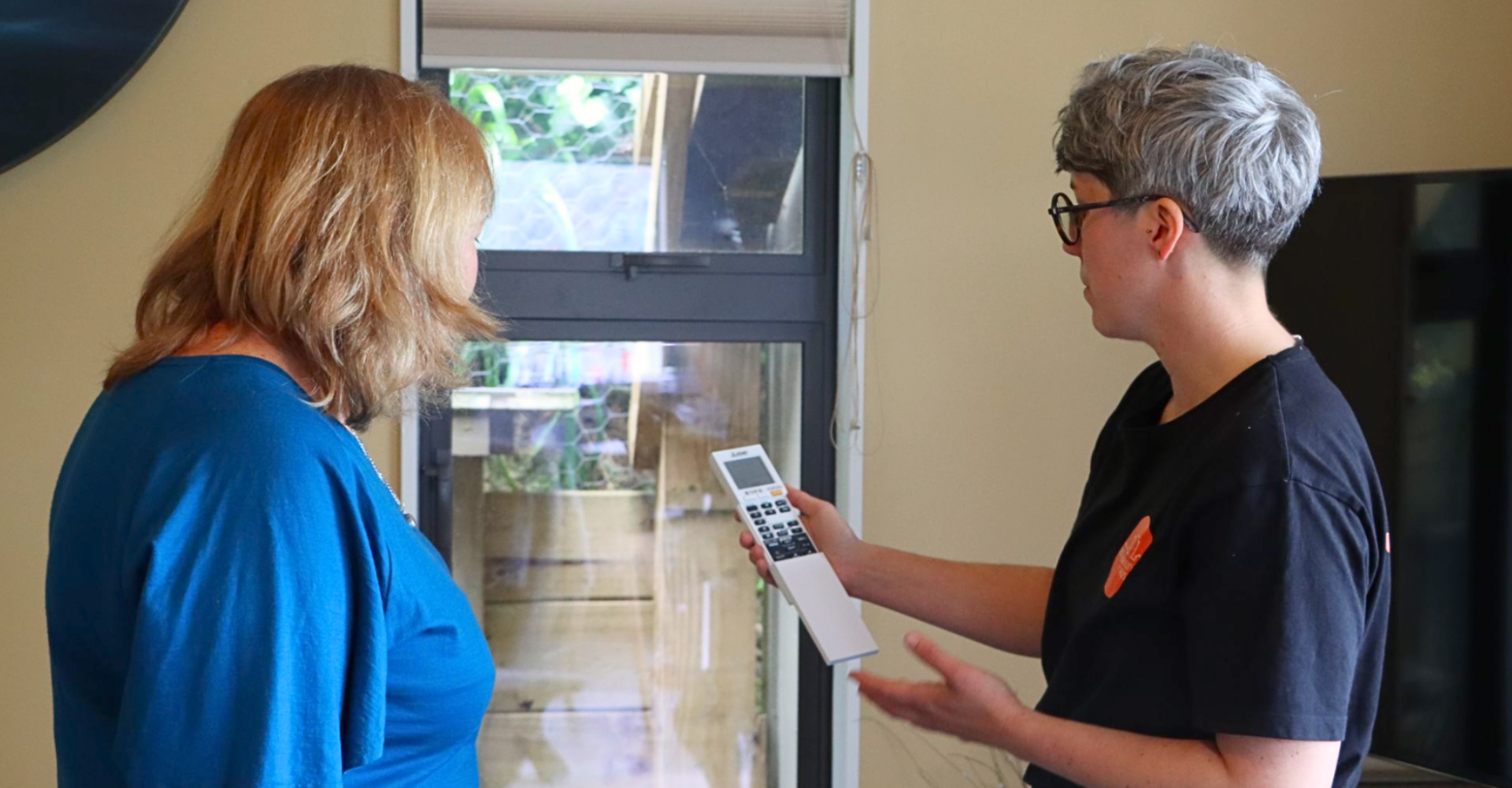
The Process of Installing a Heat Pump: An End-to-End Guide for Wellington Homeowners
In this article, we explore the process of installing a heat pump from start to finish so you can feel comfortable and confident knowing what’s going on behind the scenes when it comes to the assessment, supply and installation of your heat pump.
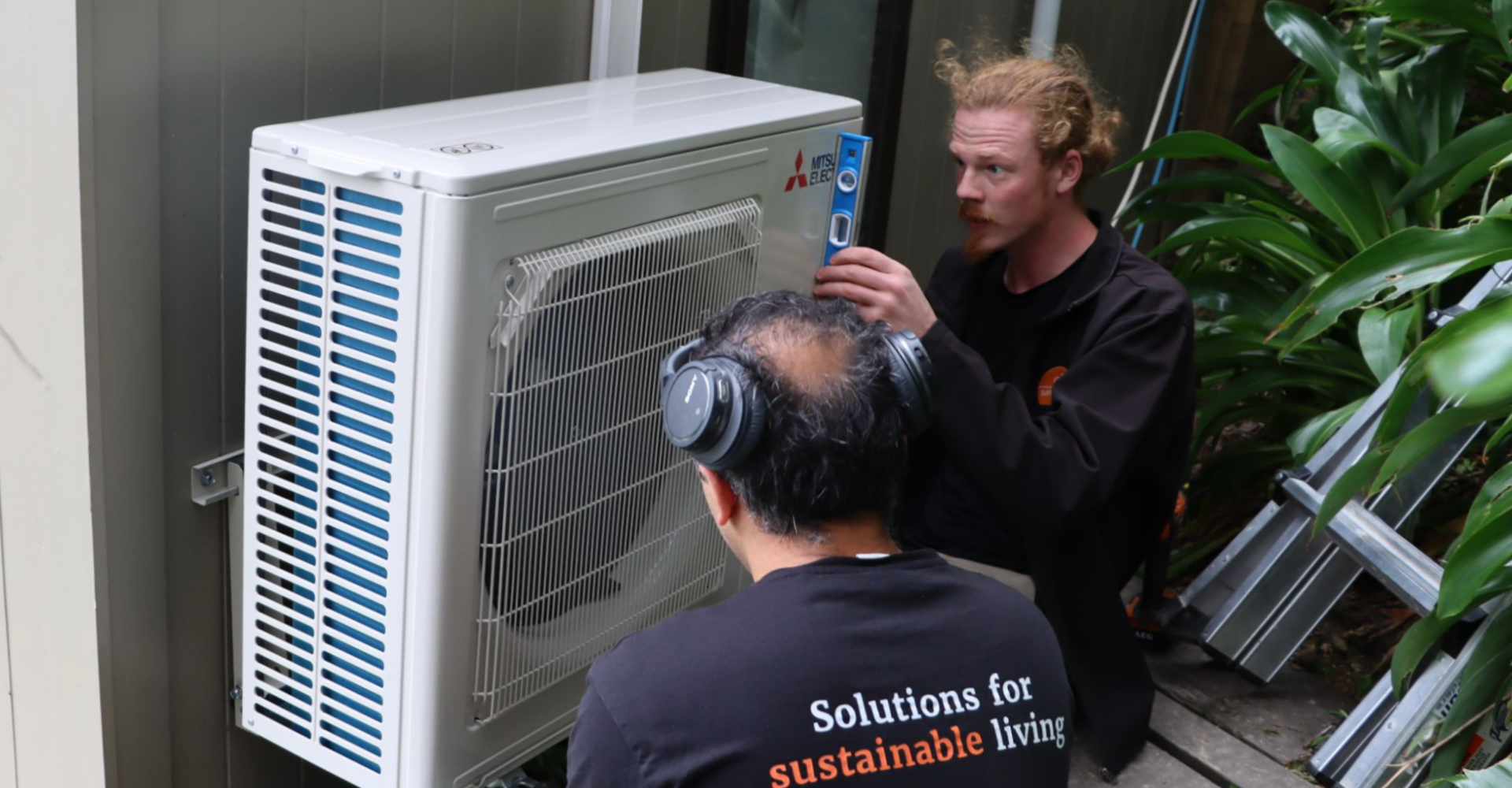
How to Choose the Best Heat Pump and Heat Pump Supplier for Your Home
In this article, we explore how to choose the best heat pump supplier and heat pump for your home. We cover the importance of selecting the right system and size, understanding energy efficiency ratings and choosing the best type of heat pump (and air conditioner) for your space.
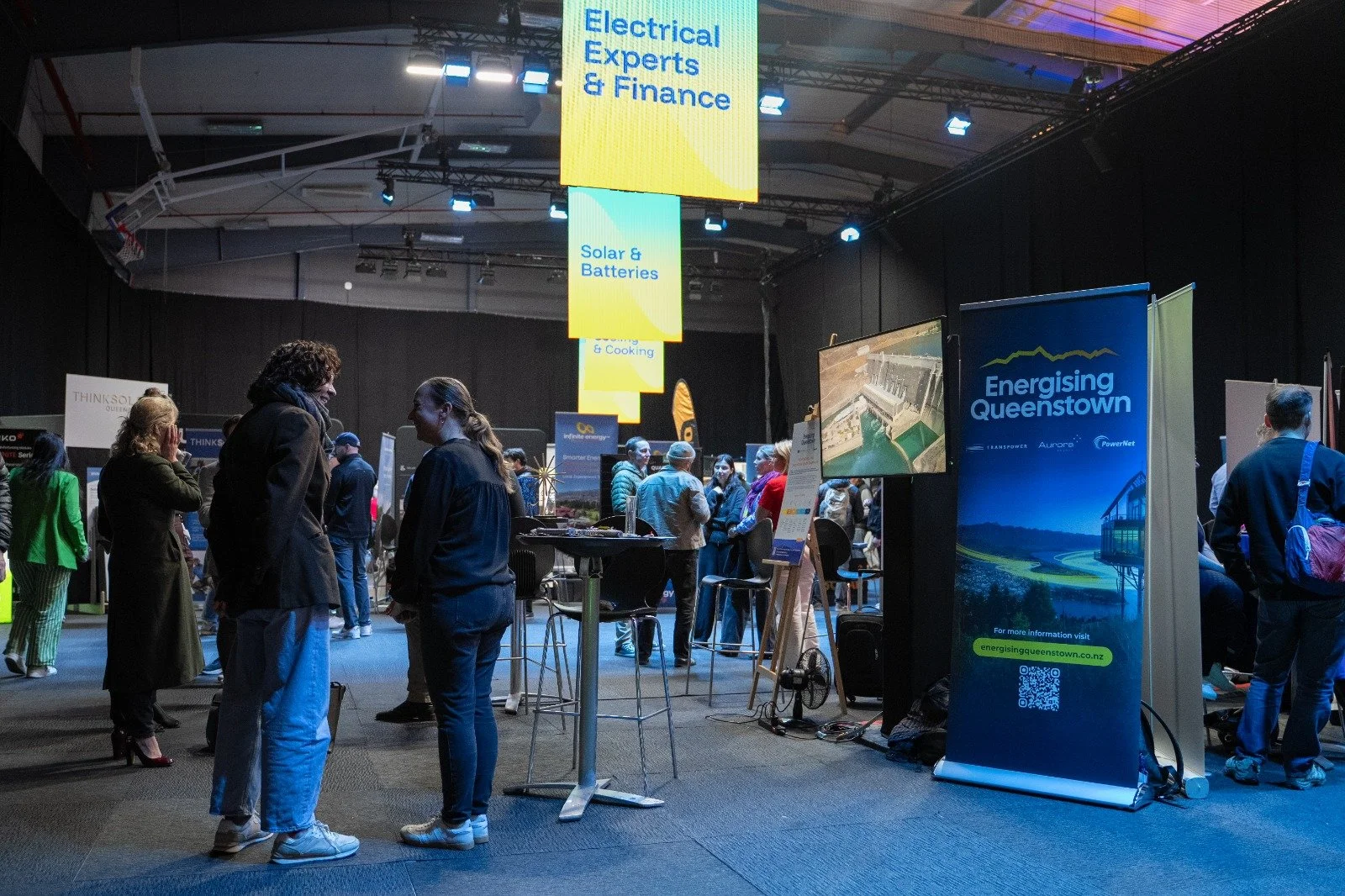
Six Good Electrification Decisions in the Next Ten Years
Our CEO, Georgie Ferrari, reflects on the journey to an electric home—inspired by a recent trip to Tāhuna Queenstown.
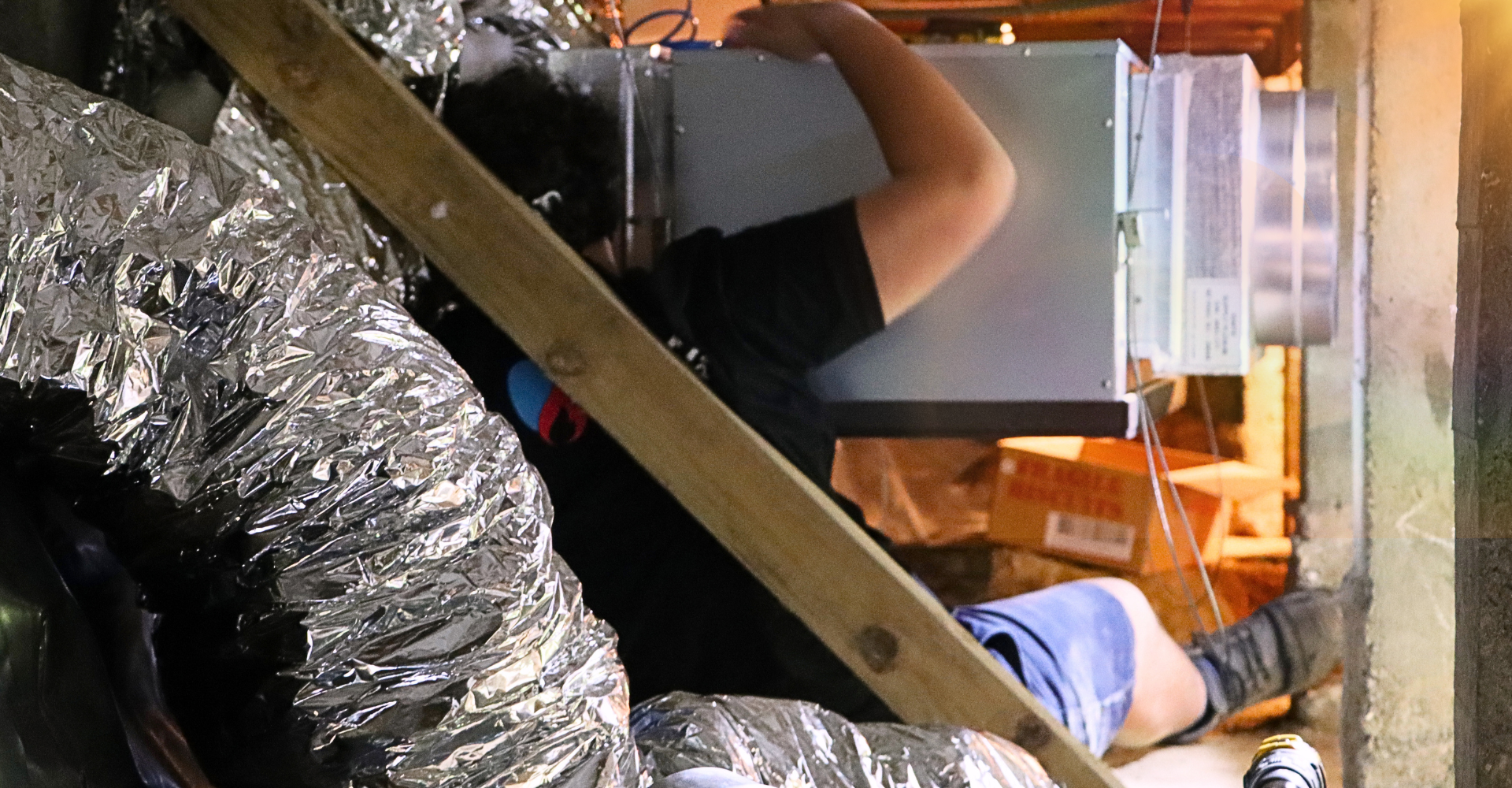
What is the Average Cost of a Ducted Heat Pump System?
In this article, we discuss how much ducted heat pump systems typically cost from supply to installation, the average running costs of ducted heating and the benefits of central heating for your home.
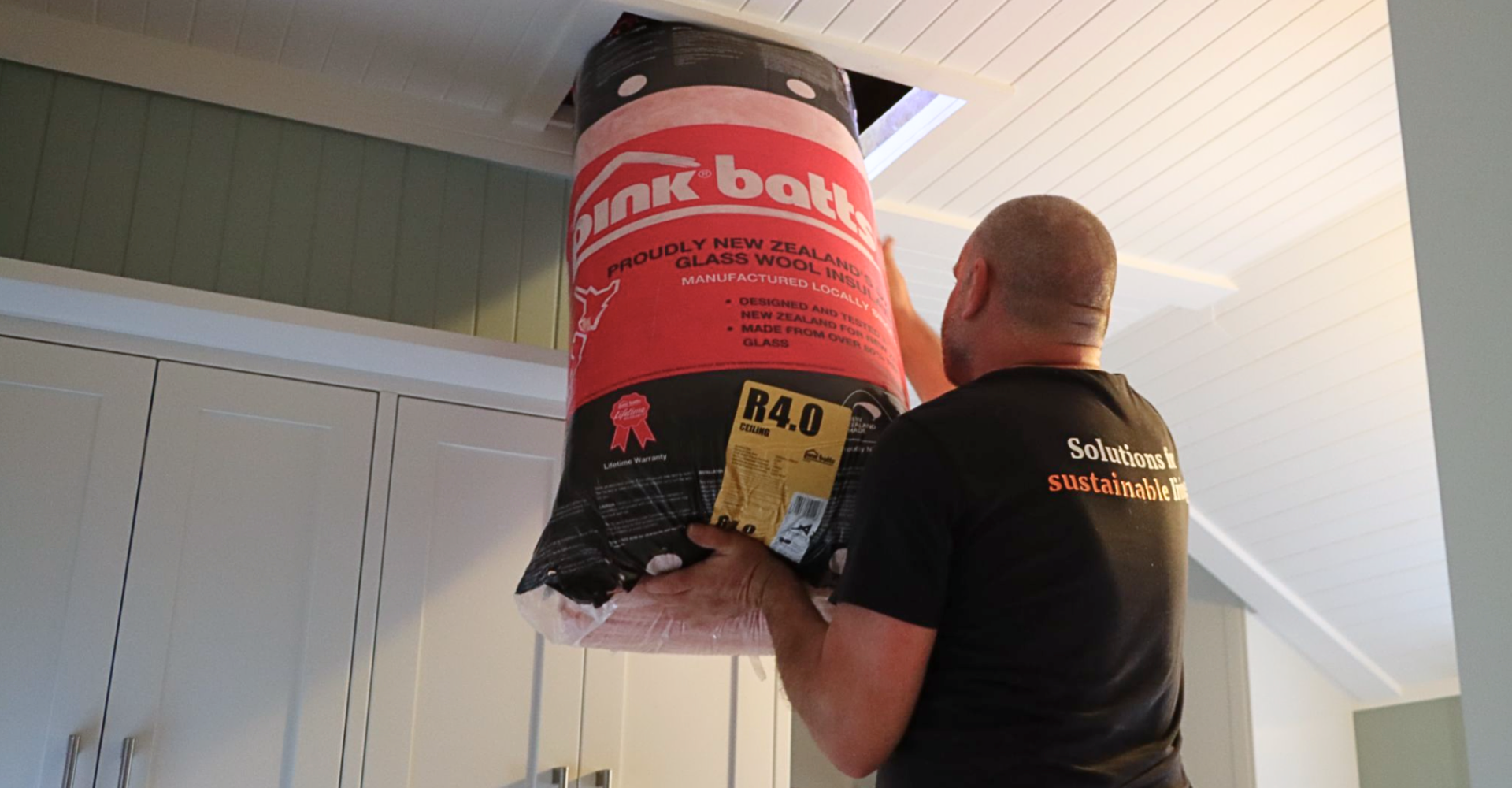
The Process of Installing Insulation for Your Home | A Step By Step Guide to Home Insulation Installation in Wellington
In this article, we discuss what’s actually involved in the insulation (or insulation top-up) process from start to finish, the benefits of having roof/ceiling and underfloor insulation installed in your home, and how much insulation typically costs for a house in Wellington.
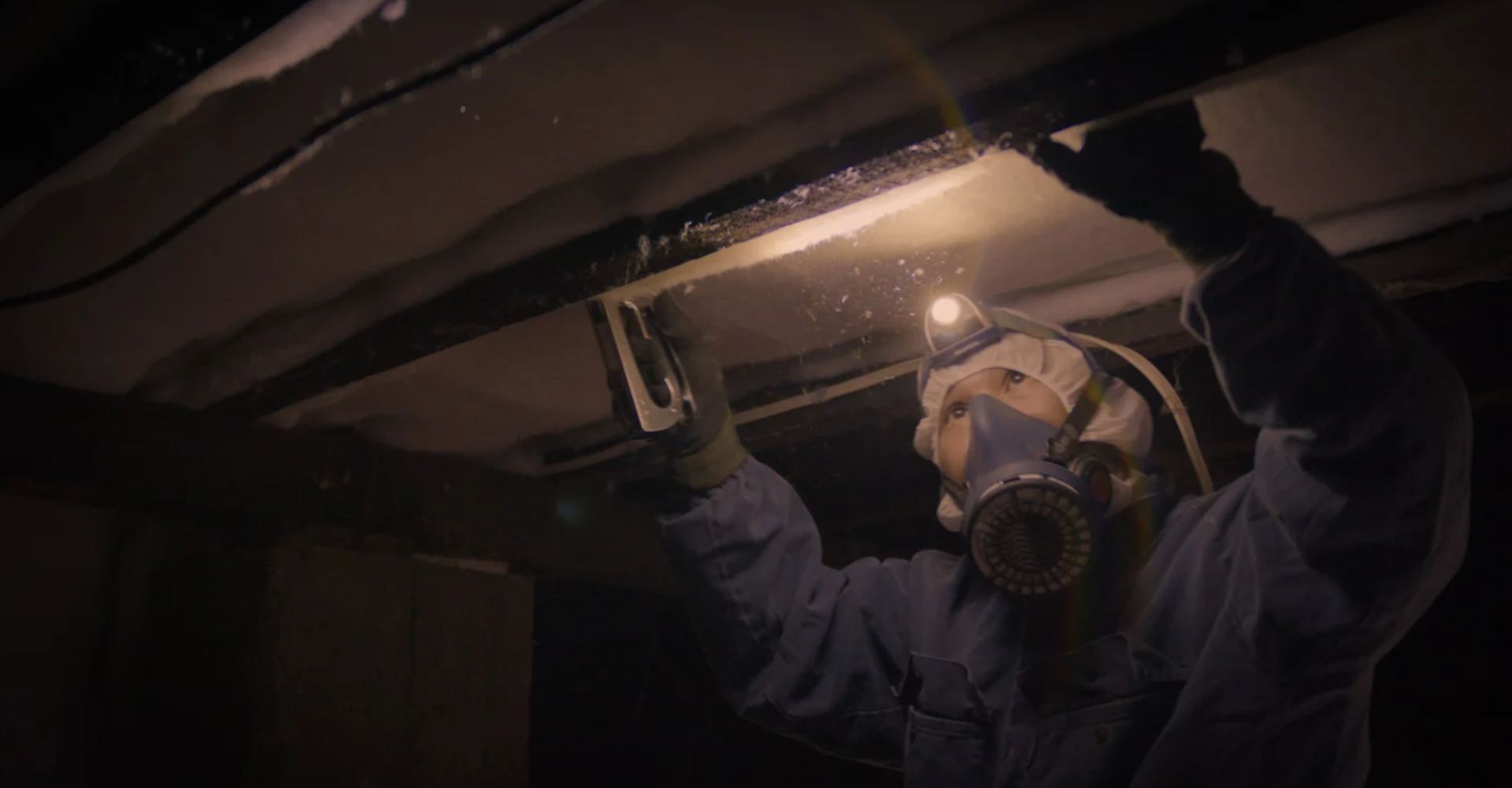
Which Insulation is Right for My Home? Learn About the Different Types of Insulation and Their Benefits
In this guide, we’ll break down the two most popular choices used by insulation installers: fibreglass insulation (e.g. Pink Batts) and polyester insulation (e.g. Mammoth), including their benefits, drawbacks and how they perform in real Wellington homes according to our experts.
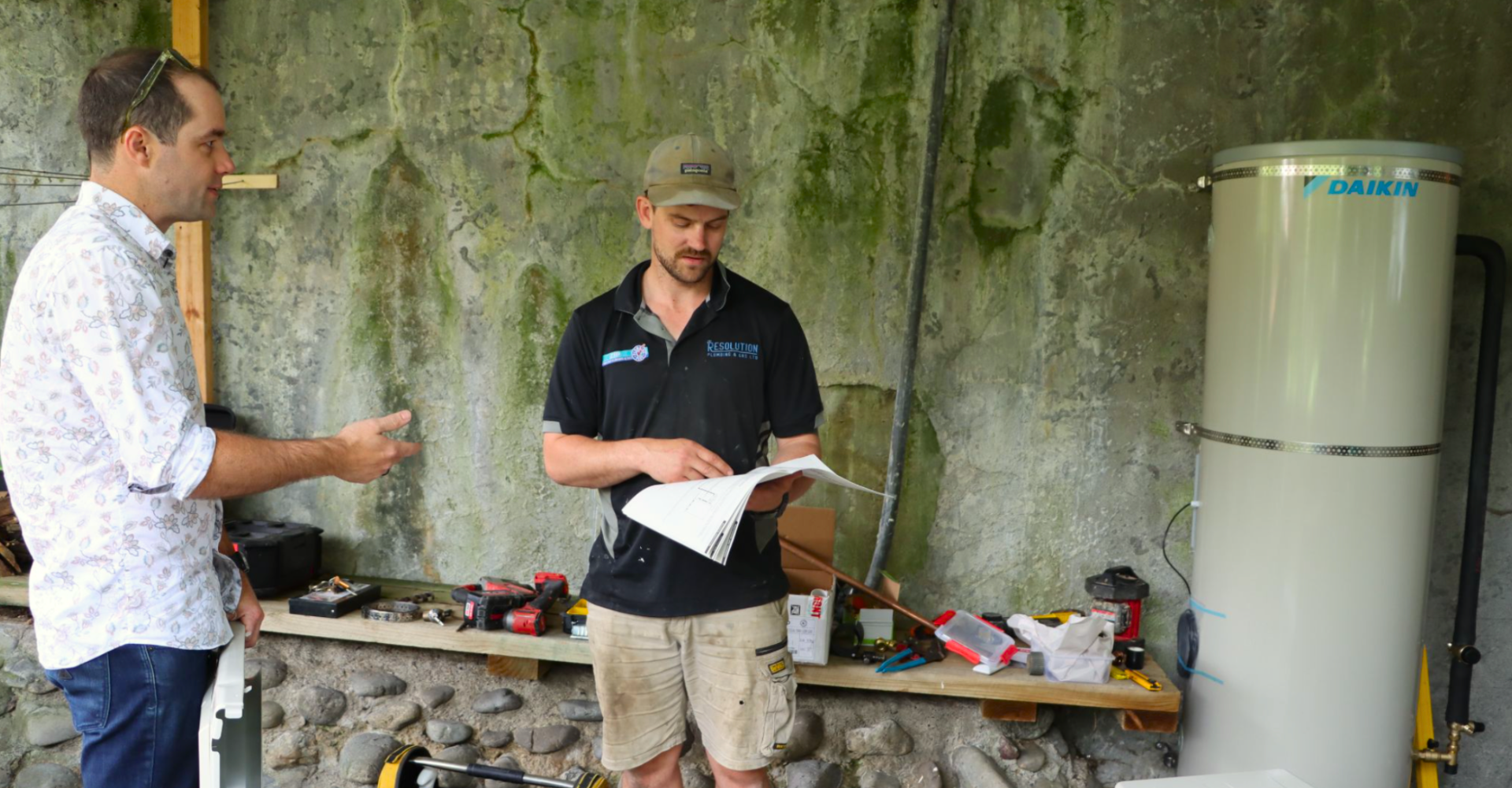
What is a Hot Water Heat Pump? A Guide to Energy-Efficient Water Heating
In this article, we’ll explain what a heat pump hot water system actually is, how a heat pump water heater works and why they are quickly becoming the go-to solution for efficient hot water heating systems in modern homes.

From Bottle Caps to Building PCs: Liam’s Journey to Zero Waste
Liam, a Te Aro Zero Waste customer, shares in his own words his journey from recycling to reuse with our facilities.

Get Your Home Ready for Winter
Before the chill properly sets in, it pays to get ready. Don’t get caught out by the cold—here are some easy ways to keep your whare warm and dry.

Home Electrification and Getting Off Gas
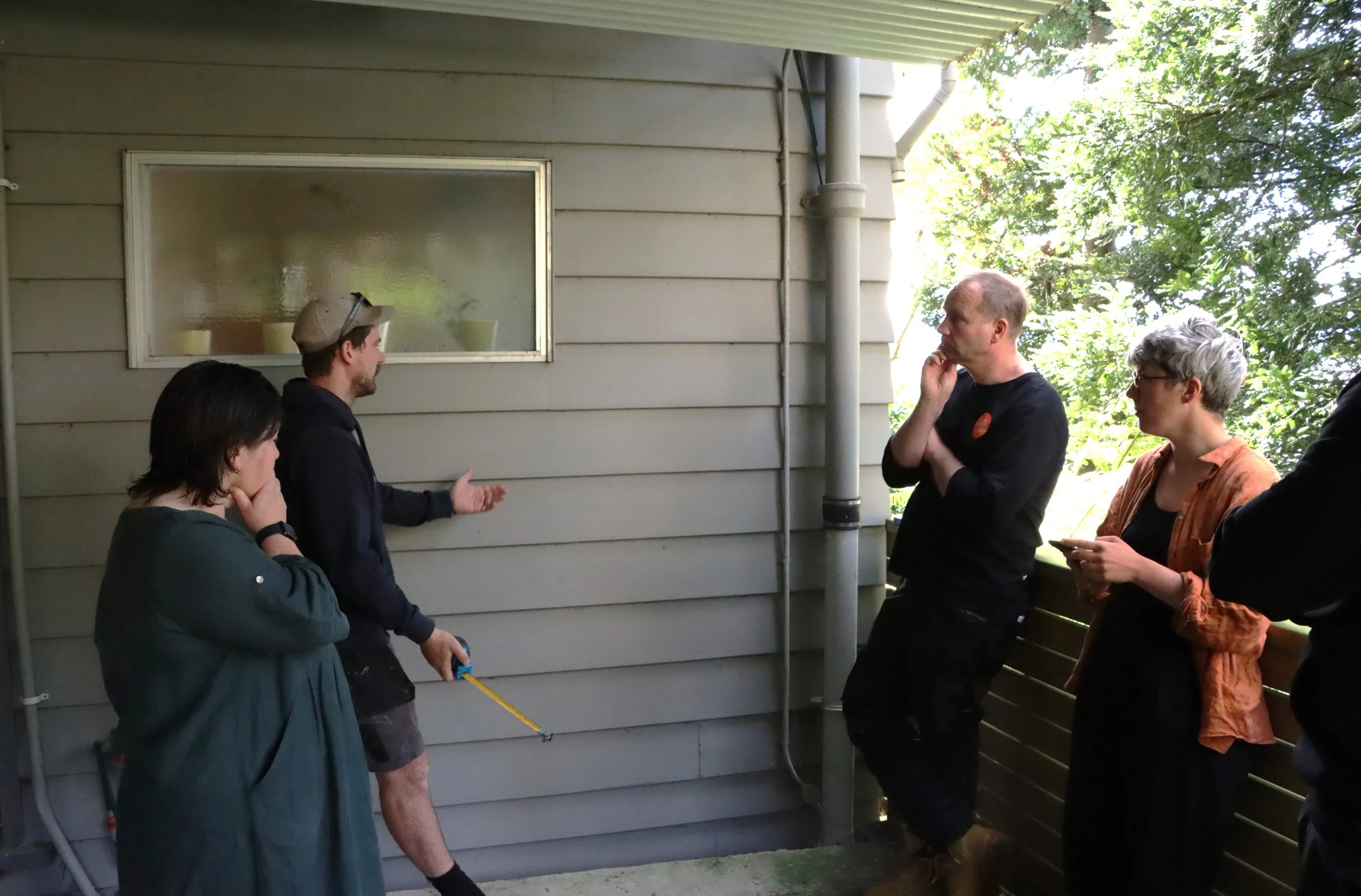
If you're a homeowner wondering when to retire gas appliances, what to switch to, whether to do it all at once or one at a time, how to fund it, and whether it's even worth it—you're not alone.
At Sustainability Trust, we've been operating in the home efficiency space for 23 years. Last financial year alone, we visited more than 7,500 homes in the Wellington region. Through this work, we constantly hear questions about electrification and know that many homeowners don't know where to start.

Seven Tips For a More Sustainable Black Friday
With Black Friday, Cyber Monday, Christmas and Boxing Day on our horizon, we've compiled our top tips for staying conscious, mindful and sustainable while consuming.

Get a subsidised heat pump for your home with Warmer Kiwi Homes
As a partner of the Warmer Kiwi Homes programme, we can help you save up to $3,450 on a heat pump. Check out this post to see if you are eligible.

Electric Vehicles and Charging Stations
Batteries, hybrids, emissions, charging, parking- there’s lots to consider when thinking about buying or using an electric vehicle (EV). Here we answer some frequently asked questions to demystify some common concerns.

Green Home Loans
Did you know if you’ve got a mortgage with one of the major banks in New Zealand - chances are you can access a low or no interest loan to make sustainable improvements to your home? Read our latest blog, written by our very own CE to learn more about which banks have started offering low or no-interest loans to encourage the uptake of sustainable home improvements.

Insulation grants - are you eligible?
Did you know that there are thousands of properties around the Wellington region that are eligible for government-funded insulation grants, simply because of the address? In this blog post, we will help you check if you are eligible to get your home insulated for just a few hundred dollars.

10 Easy & Energy-Efficient Ways to Keep Your Home Warm This Winter Here in Beautiful Pōneke (Wellington)
Wellington winters are no joke. Between the icy southerlies, sideways rain, and grey skies that seem to settle in for weeks, it's easy to feel like you’re living in a walk-in fridge. And with power prices climbing faster than a cable car, it’s tempting to just pile on the socks and hope for spring. But what if you could stay warm and keep your energy bills in check?
Here are 10 easy, practical, and energy-efficient ways to keep your home (and your body) warm and toasty this winter—without cranking up the costs.

Innovative design for reusable serviceware collection
FillGood provides resuable serviceware solutions. The reusable serviceware replace disposables at events, venues, and in hospitality, providing a smart, cost-effective solution for serving food and drinks. When FillGood couldn’t find a market solution for liquid collection, they reached out to Industrial Designer Darcy Snell, and Garage Project Sustainability Champion, Steve Almond for help to develop a prototype design.